


Başlıklar
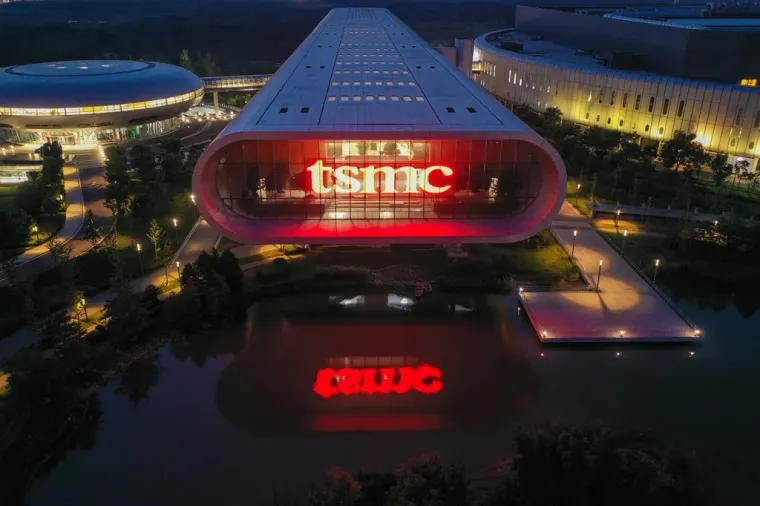
This content is for informational purposes only and does not constitute investment advice.As speculation about a potential collaboration between Intel and TSMC circulates, a new report from Taiwanese media suggests that TSMC may acquire a 20% stake in Intel Foundry Services (IFS). While antitrust laws (policies implemented by governments to prevent trade barriers and ensure market competition) limit mergers among major industry players, a 20% stake sale would allow TSMC and Intel to collaborate while avoiding regulatory scrutiny.
Intel Stock on the Rise
Intel’s stock has surged 22.5% in the past five days and increased 16.7% year-to-date. This upward trend began after U.S. Vice President JD Vance’s speech in Paris, where he emphasized the importance of advanced semiconductor manufacturing in the United States.
TSMC Considering Investment in Intel Foundry Services (IFS)
According to Taiwan’s leading financial publication, Economic Daily, TSMC may acquire a minority stake in Intel’s foundry business. Additionally, major U.S. semiconductor giants Qualcomm and Broadcom could play a critical role in this transaction. The report suggests that Qualcomm and Broadcom may place orders with the newly formed entity, ensuring a smooth operational process.
“Made in America” Strategy and Intel’s Future
The “Made in America” strategy, promoted by the Trump administration, supports TSMC’s potential 20% stake in Intel Foundry Services. The report indicates that TSMC may make this investment through a cash injection or advanced technology transfer. However, the exact terms of the deal remain unclear.
For Intel, this move could be a strategic step to strengthen U.S.-based semiconductor manufacturing and better compete with Taiwan-based rivals like MediaTek. While U.S. sanctions prevent Huawei from obtaining cutting-edge chips, MediaTek faces no such restrictions.
Intel’s Restructuring Process
Speculation about Intel selling off part of its foundry business arose after former CEO Patrick Gelsinger’s unexpected resignation last year. Running semiconductor fabrication plants is a costly endeavor, and Intel has been struggling financially due to the slowdown in the personal computer market and rising demand for AI GPUs.
Facing financial difficulties, the company had to implement massive layoffs and suspend dividend payments. While Intel’s stock has gained 16.7% year-to-date, it has dropped 46% over the past year.
18A Technology and Future Roadmap
Intel’s future success hinges on its 18A chip manufacturing technology. Despite being the first company to acquire High NA EUV lithography machines from Dutch firm ASML, Intel reported a net loss in Q4 and issued a weaker-than-expected revenue forecast.
The potential Intel-TSMC partnership could be a crucial step in strengthening U.S. semiconductor leadership. More details on this agreement are expected to emerge in the coming months.


